
Hazardous Substances & Dangerous Goods
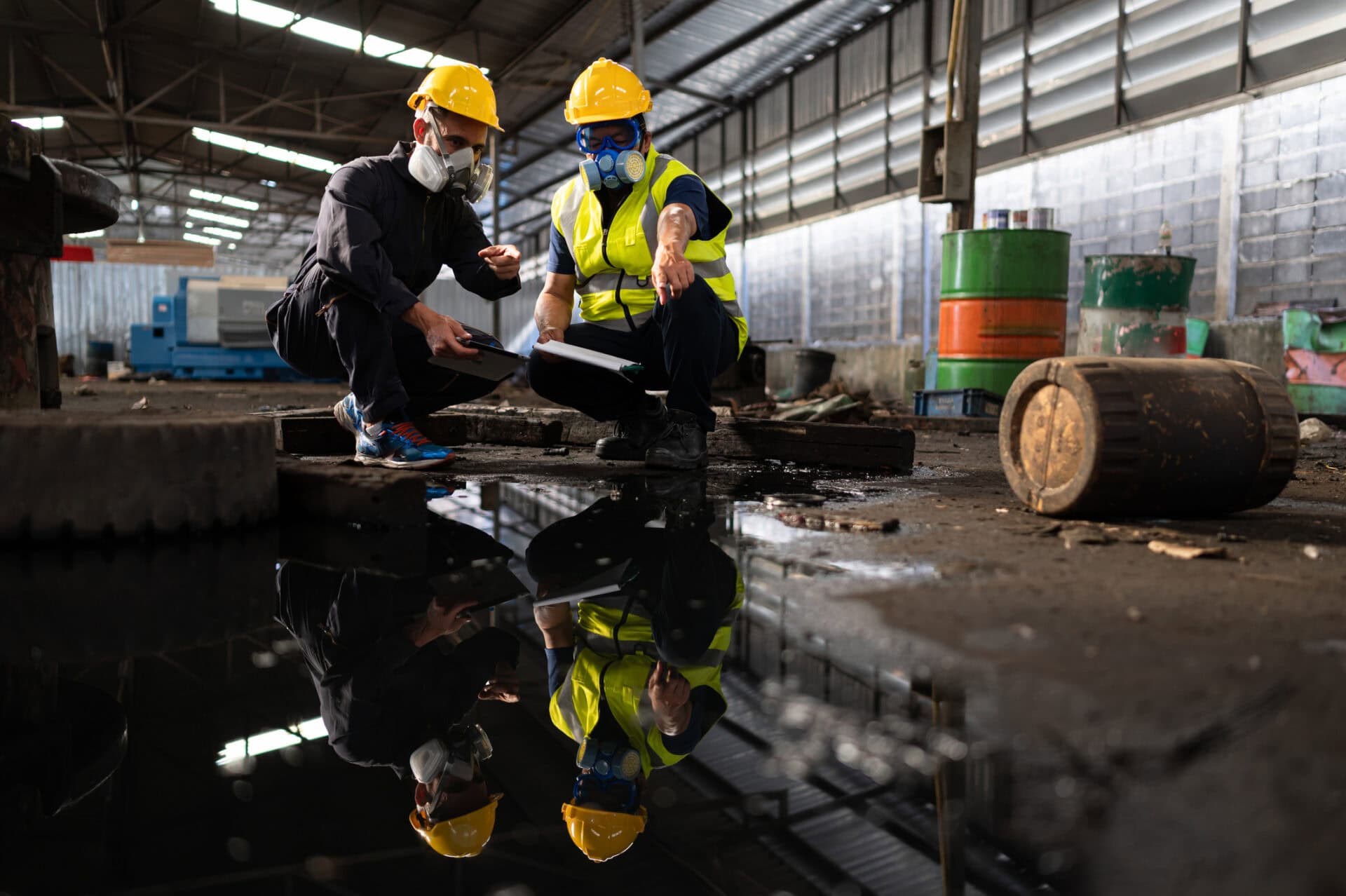
HAZMAT Management
Managing hazardous substances and dangerous goods is a critical responsibility for businesses and property owners. These materials can pose serious risks to health, safety, and the environment if not handled correctly. At Occuhealth, we specialise in comprehensive hazardous materials surveys and management services, helping you ensure compliance and protect everyone on-site or beyond.
Tailored Risk Management Solutions
We develop customised strategies to address hazardous substances in your workplace, ensuring safety and compliance in line with your unique requirements.
Professionals in the Field
Our accredited Occupational Hygienists and Licensed Asbestos Assessors have been providing HAZMAT services for over 25 years, delivering thorough assessments an practical solutions that prioritise health & safety.
NATA-Accredited Testing
Sampling and analysis conducted through certified laboratories to guarantee reliable results.
Understanding the Importance of Hazardous Materials Surveys
A hazardous materials survey not only protects workers and building occupants but also ensures compliance with Australia’s strict occupational health and safety laws. Occuhealth’s services help you:
- Meet legislative requirements for asbestos and hazardous material management under the Work Health and Safety Regulations 2022.
- Conduct environmental due diligence before major developments or transactions
- Address health and safety concerns before refurbishment or demolition
- Safeguard property buyers, sellers, and tenants during transactions
Identifying Hazardous Substances
Our detailed inspections identify hazardous substances commonly found in Australian workplaces and buildings, including:
- Asbestos Containing Material (ACM): Found in roofing, fencing, cladding, and insulation. Click HERE to learn more about our Asbestos services.
- Lead: Present in older paints, flashing, and damp-proof courses
- Polychlorinated Biphenyls (PCBs): Used in electrical equipment and caulking materials
- Synthetic Mineral Fibres (SMF): Found in insulation and high-temperature applications
- Ozone Depleting Substances (ODS): Present in refrigerant systems
- Heavy Metals and Hydrocarbons: Detected in soil, pipework, and fuel storage facilities
- Health Hazards: Including sharps, pathogens, and pesticides
Delivering Actionable Results
Our HAZMAT consultants conduct thorough inspections and sampling to identify and assess risks. The findings are compiled into a detailed report, including:
- A risk assessment for identified materials
- Control measures and management recommendations
- Tailored plans to meet legal and safety requirements
Whether the building is occupied, undergoing renovations, or slated for demolition, we customise our surveys to your needs and minimise disruption to daily operations.
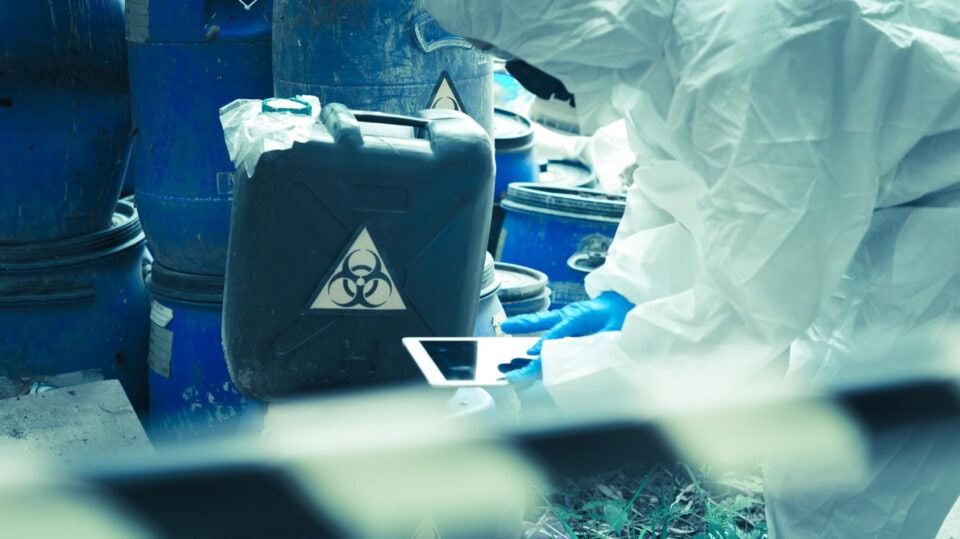
Request a no-obligation quote today and take the first step toward a safer, healthier workplace.
Frequently asked questions
Here are answers to some of our most frequently asked questions. If you can’t find what you’re looking for, feel free to reach out to us—we’re always happy to help!
Get in TouchWhat regulations apply to hazardous materials in Australia?
Hazardous materials management is governed by the Work Health and Safety Regulations 2022, AS 2601 Demolition of Structures, and codes such as the National Occupational Health and Safety Commission Code of Practice.
What is the purpose of a hazardous materials survey?
These surveys identify hazardous substances in a property, ensuring compliance, protecting workers, and mitigating health and environmental risks.
Can inspections be carried out during business hours?
Yes, we offer flexible scheduling, including after-hours inspections, to minimise disruption.
What happens if hazardous materials are found?
We provide a detailed report outlining the risks and recommending control measures or remediation to ensure safety and compliance.
How often should hazardous materials surveys be conducted?
Surveys should be updated regularly, particularly before major refurbishments, demolition, or changes in property use.
Ready to Work Together?
Whether you’re looking to create a safer workplace or need expert guidance on compliance and best practices, our team is here to support you every step of the way. Let’s work together to prioritise safety, well-being, and regulatory excellence.
